Home About Serves contact 


In the world of skincare, one product that has gained significant attention over the last decade is the serum. Unlike moisturizers or cleansers, serums are formulated to deliver a high concentration of active ingredients directly into the skin. Their lightweight texture and ability to penetrate deeper layers of the skin make them an essential step for anyone looking to target specific concerns—whether that’s hydration, brightening, anti-aging, or acne control.
A serum is typically a thin, fast-absorbing liquid that contains powerful ingredients such as hyaluronic acid, vitamin C, retinol, niacinamide, peptides, and antioxidants. These actives are known for their ability to transform the skin by addressing concerns that basic creams or lotions cannot fully tackle. For example, while a moisturizer’s main purpose is to lock in hydration and protect the skin barrier, a serum goes beyond the surface and works at a cellular level to boost collagen, fight pigmentation, or reduce fine lines.
Another reason serums are highly valued in skincare routines is their customization potential. No two skin types are the same, which means that people can choose a serum designed specifically for their needs. Someone with oily, acne-prone skin may lean toward a niacinamide or salicylic acid serum, while someone concerned with dryness and dullness may prefer a hydrating formula enriched with hyaluronic acid or vitamin E. This flexibility makes serums a universal tool for achieving healthier, radiant skin.
Moreover, serums are often described as the “treatment step” in skincare routines. After cleansing and toning, a serum delivers its active ingredients before a moisturizer is applied. This sequence allows the serum to work efficiently, as it isn’t blocked by thicker creams or oils. Dermatologists often recommend serums because they provide visible results when used consistently over time.
The popularity of serums has also been fueled by the beauty industry’s focus on evidence-based skincare. Consumers are now more informed and seek products that provide real, measurable results. Serums fit perfectly into this demand because of their concentrated formulas and ability to show improvements in skin tone, texture, and overall health.
In short, serums have become a skincare powerhouse—a must-have for anyone serious about achieving glowing, youthful, and healthy-looking skin. As we dive deeper into this article, we’ll explore how serums actually work, the different types available, key ingredients, and tips on choosing the right one for your skin type.
How Serums Work on the Skin
To understand why serums have become such an essential step in skincare, it helps to look at how they interact with the skin on a scientific level. Unlike creams or lotions, serums are designed with a specific goal in mind: to deliver high concentrations of active ingredients deep into the skin, where they can work most effectively.
The Structure of the Skin and Why It Matters
Our skin is composed of three main layers:
- Epidermis – the outer layer, which acts as a protective barrier.
- Dermis – the middle layer, where collagen, elastin, and hydration reserves are found.
- Hypodermis – the deeper layer, made mostly of fat and connective tissue.
Most moisturizers work mainly on the epidermis by locking in hydration and preventing water loss. Serums, however, are formulated with smaller molecules that can penetrate deeper into the dermis, targeting the structures responsible for firmness, elasticity, and cell renewal. This ability to reach beyond the surface sets serums apart from other skincare products.
Concentrated Formulas for Visible Results
Another important factor in how serums work is their concentration of active ingredients. A moisturizer may contain a small percentage of vitamin C or hyaluronic acid, but a serum can contain anywhere from 10% to 20% or more, depending on the formulation. This makes serums powerful enough to address specific skin concerns such as hyperpigmentation, wrinkles, acne, or dullness with noticeable results over time.
Because of this potency, serums are often referred to as “treatment products” in skincare routines. They don’t just maintain skin health; they actively improve it by stimulating repair processes, boosting collagen production, or regulating oil levels.
Lightweight Texture, Maximum Absorption
One of the main reasons serums are effective is their lightweight, water-based or gel-like texture. Unlike thick creams that sit on the surface, serums are formulated without heavy occlusives, allowing their active molecules to absorb quickly. This makes them highly compatible with layering in a skincare routine, since they won’t clog pores or leave a greasy finish.
Some serums are oil-based, but even these are usually formulated with fast-absorbing plant oils that can deliver lipophilic (oil-loving) actives, like retinol or certain antioxidants, deeper into the skin.
Targeted Action on Skin Concerns
Each serum is developed with a specific target in mind:
- Hydrating serums replenish water levels in the skin.
- Brightening serums fade dark spots and even out skin tone.
- Anti-aging serums reduce fine lines and improve elasticity.
- Acne-control serums minimize breakouts and calm inflammation.
By delivering concentrated actives directly to the skin’s problem areas, serums provide results that are faster and more visible compared to general creams.
Consistency Is Key
It’s important to note that while serums can deliver powerful results, they are not instant magic potions. Most serums show visible improvement after 4 to 12 weeks of consistent use, depending on the ingredient. For example, vitamin C serums may brighten the skin within weeks, while retinol serums may take months to significantly reduce fine lines.
Dermatologists often emphasize that patience and regular application are the keys to maximizing the benefits of serums.
Types of Serums
Not all serums are created equal. The beauty of serums lies in their versatility—there’s a formula for nearly every skin type and concern. Understanding the different categories helps you choose the right serum that aligns with your skincare goals. Below are the most common types of serums and how they benefit the skin.
1. Hydrating Serums
What They Do
Hydrating serums are designed to replenish and lock in moisture. They don’t just sit on the surface; they work within the deeper layers of the skin to boost hydration and restore plumpness.
Key Ingredients
- Hyaluronic Acid – A powerhouse that can hold up to 1,000 times its weight in water, keeping the skin supple and plump.
- Glycerin – A humectant that attracts water into the skin.
- Aloe Vera – Soothes and hydrates naturally.
- Panthenol (Vitamin B5) – Strengthens the skin barrier while hydrating.
Who Needs Them?
- People with dry, dehydrated skin.
- Those experiencing seasonal dryness (winter months).
- Anyone who wants a fresh, dewy glow.
💡 Tip: Apply hydrating serums right after cleansing, while the skin is slightly damp, to maximize water retention.
2. Brightening Serums
What They Do
Brightening serums target dullness, uneven skin tone, and hyperpigmentation. They work by reducing excess melanin production and enhancing radiance.
Key Ingredients
- Vitamin C – A powerful antioxidant that fades dark spots and protects against free radicals.
- Niacinamide (Vitamin B3) – Reduces redness, evens out skin tone, and strengthens the skin barrier.
- Alpha Arbutin – Lightens hyperpigmentation and acne scars gently.
- Licorice Extract – A natural brightener that calms inflammation.
Who Needs Them?
- Individuals struggling with sun damage or dark spots.
- Those with uneven skin tone or post-acne marks.
- People seeking a radiant glow.
💡 Tip: Brightening serums often work best when applied in the morning, followed by a broad-spectrum SPF to protect results.
3. Anti-Aging Serums
What They Do
Anti-aging serums are formulated to reduce fine lines, wrinkles, sagging, and loss of elasticity. They encourage skin renewal and boost collagen production.
Key Ingredients
- Retinol (Vitamin A) – Speeds up cell turnover and reduces signs of aging.
- Peptides – Short chains of amino acids that stimulate collagen and elastin.
- Coenzyme Q10 (CoQ10) – A powerful antioxidant that energizes skin cells.
- Bakuchiol – A plant-based retinol alternative that’s gentler on the skin.
Who Needs Them?
- Mature skin (30+).
- Anyone wanting to prevent early signs of aging.
- Those with fine lines, wrinkles, or sagging skin.
💡 Tip: Retinol serums should be introduced gradually and always paired with sunscreen, as they can make the skin more sensitive to UV rays.
4. Acne-Fighting Serums
What They Do
Acne-fighting serums focus on reducing breakouts, unclogging pores, and calming inflammation. They are lightweight, non-greasy, and usually formulated for oily or combination skin.
Key Ingredients
- Salicylic Acid (BHA) – Penetrates pores and dissolves excess oil and dead skin cells.
- Tea Tree Oil – A natural antibacterial agent.
- Zinc – Regulates oil production and reduces redness.
- Sulfur – Minimizes bacteria and dries out pimples quickly.
Who Needs Them?
- People with oily, acne-prone skin.
- Teens and adults are struggling with breakouts.
- Anyone with congested pores and blackheads.
💡 Tip: Pair acne serums with a gentle, non-stripping cleanser to avoid over-drying the skin.
5. Soothing and Repair Serums
What They Do
These serums are designed for sensitive, irritated, or compromised skin barriers. They calm redness, reduce inflammation, and repair damage.
Key Ingredients
- Centella Asiatica (Cica) – Calms irritation and promotes healing.
- Ceramides – Restore and strengthen the skin barrier.
- Madecassoside – Reduces redness and promotes repair.
- Green Tea Extract – Rich in antioxidants, soothing for stressed skin.
Who Needs Them?
- Individuals with sensitive or reactive skin.
- People experiencing redness, irritation, or rosacea.
- Anyone who has overused strong actives like retinol or acids.
💡 Tip: Soothing serums are excellent for post-exfoliation recovery or calming skin after sun exposure.
6. Exfoliating Serums
What They Do
Exfoliating serums use chemical exfoliants to remove dead skin cells, smooth texture, and prevent clogged pores.
Key Ingredients
- AHA (Alpha Hydroxy Acids) – Glycolic acid, lactic acid for surface exfoliation.
- BHA (Beta Hydroxy Acid) – Salicylic acid for pore cleansing.
- PHA (Polyhydroxy Acids) – Gentle exfoliation for sensitive skin.
Who Needs Them?
- Those with dull, rough, or textured skin.
- People with clogged pores and uneven tone.
- Anyone who wants to enhance product absorption.
💡 Tip: Use exfoliating serums only 2–3 times per week to avoid over-exfoliation.
7. Antioxidant Serums
What They Do
Antioxidant serums shield the skin from free radicals, pollution, and UV damage. They prevent premature aging and help the skin repair itself.
Key Ingredients
- Vitamin C – Protects and brightens.
- Vitamin E – Nourishes and supports barrier function.
- Ferulic Acid – Boosts the stability and effectiveness of vitamin C.
- Resveratrol – A powerful plant antioxidant.
Who Needs Them?
- People living in urban areas with high pollution.
- Anyone concerned about premature aging.
- Those seeking protection + glow.
💡 Tip: Best used in the morning under sunscreen for maximum protection.
Final Thoughts on Serum Types
With so many options available, choosing the right serum boils down to your skin’s needs and goals. Hydrating serums quench thirsty skin, brightening formulas even out skin tone, while acne-fighting serums keep blemishes under control. For many people, layering multiple serums (with guidance) provides a well-rounded approach to skincare.
Key Ingredients in Serums & Their Benefits
Serums are only as powerful as the ingredients they contain. Unlike regular creams, serums are packed with high concentrations of actives that target specific skin concerns. Knowing what these ingredients do is the key to choosing the right serum for your skin type and goals. Below are the most important serum ingredients, their benefits, and how they work.
1. Hyaluronic Acid – The Ultimate Hydrator
- What It Does: Hyaluronic acid (HA) is a humectant that attracts and holds onto water molecules, keeping the skin plump, smooth, and hydrated.
- Why It Works: HA can hold up to 1,000 times its weight in water, making it a hydration powerhouse. It fills in fine lines temporarily by swelling with moisture.
- Best For: Dry, dehydrated, dull, or mature skin.
- Extra Tip: Apply on damp skin and seal with a moisturizer to maximize hydration.
2. Vitamin C – The Brightening Antioxidant
- What It Does: Vitamin C is one of the most popular serum ingredients because of its ability to brighten skin, fade dark spots, and fight free radicals.
- Why It Works: It inhibits melanin production, which reduces hyperpigmentation, and boosts collagen synthesis.
- Best For: Dull skin, dark spots, uneven tone, early aging signs.
- Extra Tip: Use in the morning under SPF for maximum protection against UV damage.
3. Retinol – The Anti-Aging Powerhouse
- What It Does: Retinol (a form of Vitamin A) speeds up cell turnover, reduces fine lines, clears acne, and smooths texture.
- Why It Works: Retinol increases collagen production and unclogs pores. It’s considered one of the most effective anti-aging ingredients.
- Best For: Aging skin, acne-prone skin, uneven texture.
- Extra Tip: Start slow (1–2 times per week) and always use sunscreen during the day, as retinol increases sun sensitivity.
4. Niacinamide – The All-Rounder
- What It Does: Niacinamide (Vitamin B3) strengthens the skin barrier, regulates oil production, reduces redness, and minimizes pores.
- Why It Works: It improves the skin’s natural defense system while calming inflammation and boosting hydration.
- Best For: Oily, acne-prone, sensitive, or combination skin.
- Extra Tip: Works well with most other ingredients, making it an easy addition to any routine.
5. Peptides – The Collagen Boosters
- What They Do: Peptides are short chains of amino acids that signal the skin to produce more collagen and elastin.
- Why They Work: They act as “messengers” to the skin, triggering repair and renewal processes.
- Best For: Fine lines, wrinkles, sagging, or dullness.
- Extra Tip: Peptides work best when used consistently over time and layered under a nourishing moisturizer.
6. Salicylic Acid – The Acne Fighter
- What It Does: Salicylic acid (a BHA) penetrates deep into pores to dissolve oil, exfoliate dead cells, and prevent breakouts.
- Why It Works: Its oil-soluble nature makes it highly effective for unclogging pores and reducing blackheads.
- Best For: Oily, acne-prone, or congested skin.
- Extra Tip: Start with 2–3 times weekly use to avoid over-drying, then increase frequency as tolerated.
7. Alpha Hydroxy Acids (AHAs) – The Texture Refiners
- What They Do: AHAs (like glycolic, lactic, and mandelic acid) exfoliate the skin’s surface, removing dead cells and revealing smoother, brighter skin.
- Why They Work: They break down the “glue” holding dead skin cells together, improving radiance and texture.
- Best For: Dull, rough, uneven skin tone.
- Extra Tip: Use AHAs at night and always pair with SPF, since they increase sun sensitivity.
8. Ceramides – The Barrier Protectors
- What They Do: Ceramides are lipids (fats) that make up about 50% of the skin barrier. They keep skin strong, hydrated, and protected from external damage.
- Why They Work: They prevent water loss and repair damaged or weakened skin barriers.
- Best For: Sensitive, dry, or compromised skin.
- Extra Tip: Ceramide serums are excellent for layering with stronger actives to balance and protect the skin.
9. Antioxidants – The Environmental Shields
- What They Do: Antioxidants protect skin from free radicals caused by UV rays, pollution, and stress.
- Why They Work: They neutralize unstable molecules that damage collagen and accelerate aging.
- Examples: Vitamin E, Ferulic Acid, Resveratrol, Green Tea Extract.
- Best For: All skin types, especially those exposed to pollution or frequent sun.
- Extra Tip: Combine with sunscreen for the ultimate daily defense.
10. Plant Extracts & Natural Actives
- Centella Asiatica (Cica): Calms irritation, reduces redness, and speeds healing.
- Licorice Root: Brightens and reduces hyperpigmentation naturally.
- Aloe Vera: Hydrates and soothes inflamed or sunburned skin.
- Tea Tree Oil: Natural antibacterial for acne-prone skin.
These ingredients provide gentle but effective benefits, making them great for sensitive skin types.
Why Ingredients Matter in Serums
What makes serums unique is the purity and potency of their ingredients. While moisturizers may include small amounts of these actives, serums focus on delivering a concentrated dose that drives real results. For example, a moisturizer with 2% niacinamide can help calm redness, but a serum with 10% niacinamide can dramatically reduce oiliness and pore size.
It’s also important to understand that not all ingredients can be mixed. For example:
- Retinol + Vitamin C can be irritating when used together.
- AHAs/BHAs + Retinol may cause over-exfoliation.
- Niacinamide pairs well with almost everything, making it a safe choice.
By knowing the key ingredients in serums, you can build a personalized skincare routine that addresses your skin’s exact needs.
How to Use a Serum Correctly
Using a serum may seem straightforward—apply it and you’re done. But to get the maximum benefits, it’s important to know how to incorporate it into your routine properly. The order of application, the amount you use, and how often you apply it can make a huge difference in results.
Step 1: Start with Clean Skin
Serums work best when applied to freshly cleansed skin. Cleansing removes dirt, oil, and impurities that can block absorption. If you use a toner, apply it before your serum, as toners help prep the skin and allow actives to penetrate more effectively.
💡 Tip: Think of your serum as the “treatment step” that should go directly onto clean skin, before thicker products.
Step 2: Use the Right Amount
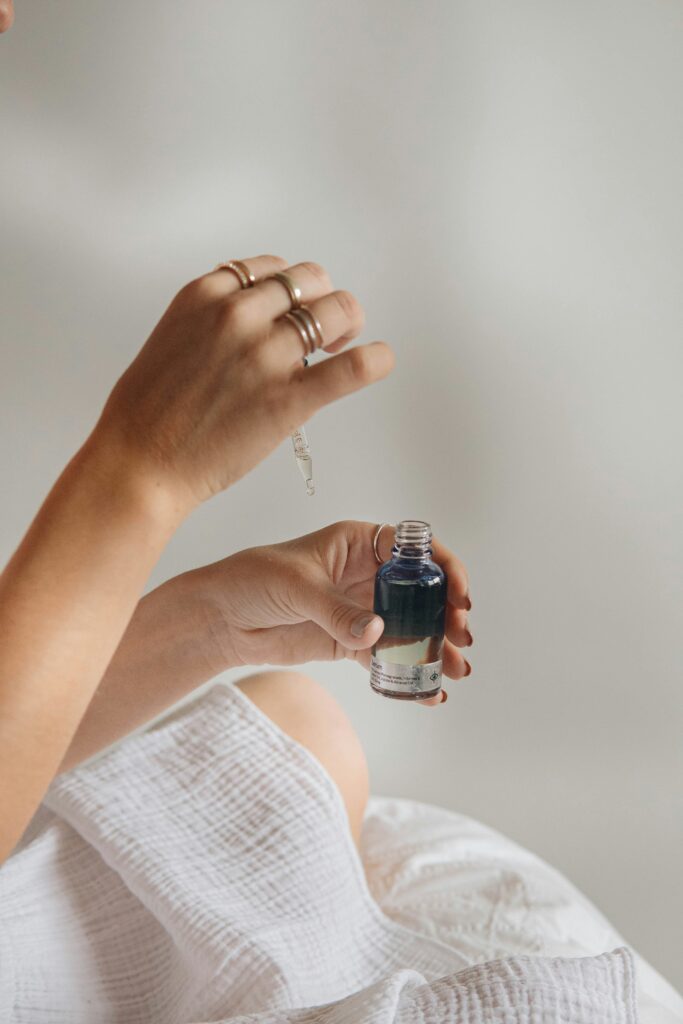
One of the most common mistakes is using too much serum. Because serums are concentrated, 2–3 drops are usually enough for the entire face. Applying more won’t make the product work faster—in fact, it may cause irritation or waste product.
💡 Tip: Place drops directly on your fingertips, not the dropper onto your face, to avoid contamination.
Step 3: Apply with Gentle Motions
Instead of rubbing aggressively, apply the serum with gentle pressing or patting motions. This ensures even distribution and better absorption. Focus on areas where you want the most benefits, such as dark spots, fine lines, or acne-prone zones.
💡 Tip: Avoid dragging or pulling the skin, especially around delicate areas like the eyes.
Step 4: Layer Correctly in Your Routine
The golden rule of skincare is to apply products from thinnest to thickest consistency:
- Cleanser
- Toner (optional)
- Serum
- Moisturizer
- Sunscreen (daytime only)
This order allows serums to penetrate effectively without being blocked by heavier products. If you’re using multiple serums, start with the most watery/lightweight serum first, then layer the thicker one.
💡 Example: A hydrating hyaluronic acid serum can be applied first, followed by a vitamin C serum.
Step 5: Adjust Frequency Based on Ingredients
Not all serums should be used daily. The frequency depends on the active ingredient:
- Hydrating serums (HA, glycerin): Safe to use twice daily.
- Vitamin C serums: Best in the morning, once daily.
- Retinol serums: Start 1–2 times per week at night, then increase as tolerated.
- Exfoliating serums (AHAs/BHAs): Use 2–3 times weekly to avoid over-exfoliation.
💡 Tip: Always listen to your skin. If irritation, redness, or dryness occurs, scale back usage.
Step 6: Seal with Moisturizer
Serums deliver the treatment, but moisturizers lock it in. Without sealing, the active ingredients may evaporate or not work as effectively. Choose a moisturizer that complements your serum—for example, a calming ceramide cream after retinol.
Step 7: Never Skip Sunscreen
If you’re using active serums like vitamin C, retinol, or exfoliating acids, daily sunscreen is non-negotiable. These ingredients make the skin more sensitive to the sun, and skipping SPF can undo the serum’s benefits.
Common Mistakes to Avoid
- Mixing incompatible serums (like retinol + strong acids).
- Using too much product, leading to irritation.
- Skipping moisturizer or SPF, which reduces serum effectiveness.
- Expecting instant results—most serums require consistent use for 4–12 weeks.
Myths vs Facts About Serums
With the popularity of serums skyrocketing in recent years, it’s no surprise that myths and misconceptions surround them. Separating fact from fiction is crucial to making the most of these powerful products. Let’s debunk the most common myths about serums and uncover the truth.
Myth 1: Serums Replace Moisturizers
Fact: Serums and moisturizers serve different purposes.
- A serum is a treatment product packed with active ingredients designed to target specific concerns like pigmentation, fine lines, or dehydration.
- A moisturizer works mainly to lock in hydration and protect the skin barrier.
💡 Think of serums as the “treatment” step and moisturizers as the “sealing” step. For healthy, glowing skin, most people need both.
Myth 2: More Serum = Better Results
Fact: Using more than the recommended amount does not speed up results—it may actually cause irritation.
Because serums are highly concentrated, 2–3 drops are usually enough for the entire face. Applying extra can overload your skin, leading to redness, breakouts, or sensitivity.
💡 When it comes to serums, less is more. Consistency, not quantity, is what brings results.
Myth 3: Serums Work Instantly
Fact: While some serums (like hydrating hyaluronic acid) may give an immediate plumping effect, most require weeks of consistent use to show real results.
- Vitamin C may brighten skin in 4–6 weeks.
- Retinol may reduce fine lines in 8–12 weeks.
- Niacinamide may shrink pores and control oil in about 6 weeks.
💡 Skincare is a marathon, not a sprint—patience is key.
Myth 4: Serums Are Only for Aging Skin
Fact: Serums benefit all ages, not just mature skin.
- Teens and young adults may use acne-fighting serums with niacinamide or salicylic acid.
- People in their 20s and 30s may benefit from brightening or hydrating serums.
- Mature skin can turn to anti-aging serums with retinol, peptides, and antioxidants.
💡 The key is choosing the right serum for your current skin needs, not your age.
Myth 5: Natural or Organic Serums Are Always Better
Fact: “Natural” doesn’t always mean safer or more effective. Some natural extracts can irritate, while lab-formulated ingredients (like niacinamide or peptides) are backed by scientific research and proven results.
💡 The best serum is one that works for your skin type—whether natural, synthetic, or a combination of both.
Myth 6: You Can Mix All Serums
Fact: Not all ingredients play well together. Some combinations can cancel each other out or cause irritation:
- Retinol + AHAs/BHAs = Over-exfoliation and sensitivity.
- Vitamin C + Retinol = Increased irritation.
- Vitamin C + Niacinamide = Once thought incompatible, but new research shows they can be layered if tolerated.
💡 Always check ingredient compatibility before layering serums. If unsure, alternate them on different days.
Myth 7: Expensive Serums Are Always Better
Fact: Price doesn’t always equal performance. Many affordable serums contain the same active ingredients as luxury ones. What matters most is the concentration of actives, formulation stability, and skin compatibility, not the brand name.
💡 A drugstore vitamin C serum can be just as effective as a high-end one if properly formulated.
The Bottom Line
Serums are powerful tools, but their success depends on choosing the right formula, applying it correctly, and maintaining realistic expectations. Don’t be swayed by myths or marketing hype—focus instead on facts and consistency
Top Serums on the Market (2025 Edition)
The skincare market is overflowing with serums, but not all are created equal. Some stand out for their proven results, strong formulations, and positive reviews from both dermatologists and consumers. Below are seven of the best serums in 2025, each offering unique benefits for different skin types and concerns.
1. SkinCeuticals C E Ferulic – Best Brightening & Anti-Aging Vitamin C Serum
- Why It’s Great: This cult-favorite serum remains one of the most dermatologist-recommended products. It combines 15% pure vitamin C (L-ascorbic acid) with vitamin E and ferulic acid, a trio that brightens, protects against free radicals, and improves fine lines.
- Best For: Dull skin, pigmentation, early aging.
- Pros: Long-lasting antioxidant protection, clinically proven results.
- Cons: High price point and must be stored carefully to prevent oxidation.
2. The Ordinary Hyaluronic Acid 2% + B5 – Best Affordable Hydrating Serum
- Why It’s Great: A budget-friendly option that delivers serious hydration. This serum uses multi-molecular weight hyaluronic acid for layered hydration and vitamin B5 for added barrier support.
- Best For: Dry, dehydrated, or sensitive skin.
- Pros: Lightweight, absorbs quickly, and affordable.
- Cons: May need to be paired with a richer moisturizer for very dry skin.
3. Estée Lauder Advanced Night Repair (ANR) – Best Overall Anti-Aging Serum
- Why It’s Great: Known as one of the first serums ever launched, ANR is still a global bestseller. Its Chronolux™ Power Signal Technology supports skin repair, reduces signs of aging, and improves hydration overnight.
- Best For: Mature, dull, or stressed skin.
- Pros: Visible anti-aging results with consistent use, works well under moisturizer.
- Cons: Expensive and contains fragrance, which may not suit sensitive skin.
4. La Roche-Posay Pure Retinol B3 Serum – Best Gentle Retinol
- Why It’s Great: A dermatologist-trusted retinol serum that’s gentle enough for beginners. It combines pure retinol with niacinamide (Vitamin B3) to fight wrinkles while calming irritation.
- Best For: Fine lines, uneven texture, early signs of aging.
- Pros: Gentle yet effective, accessible price.
- Cons: May cause dryness at first—must be paired with moisturizer and SPF.
5. Paula’s Choice 10% Niacinamide Booster – Best for Pores & Oil Control
- Why It’s Great: This serum is a favorite for people with oily and acne-prone skin. With 10% niacinamide, it reduces enlarged pores, regulates oil production, and brightens uneven tone.
- Best For: Oily, acne-prone, or combination skin.
- Pros: Lightweight, layers well with other products, fragrance-free.
- Cons: May take weeks to see visible pore-minimizing results.
6. Vichy Mineral 89 Hyaluronic Acid Serum – Best for Strengthening the Skin Barrier
- Why It’s Great: This serum is powered by Vichy’s volcanic mineral water and 89% hyaluronic acid, designed to fortify the skin barrier against pollution, stress, and dehydration.
- Best For: Sensitive, stressed, or dehydrated skin.
- Pros: Gentle, fragrance-free, suitable for daily use.
- Cons: Not targeted for specific issues like acne or wrinkles.
7. CeraVe Resurfacing Retinol Serum – Best for Acne Marks & Texture
- Why It’s Great: A drugstore gem, this serum combines encapsulated retinol with ceramides and niacinamide to smooth uneven texture, fade post-acne marks, and strengthen the barrier.
- Best For: Acne-prone skin, hyperpigmentation, rough texture.
- Pros: Affordable, non-comedogenic, dermatologist-developed.
- Cons: Results may take longer compared to stronger retinol formulas.
Choosing the Right Serum for You
The best serum depends on your skin type and goals:
- For hydration, try The Ordinary Hyaluronic Acid or Vichy Mineral 89.
- For brightening, SkinCeuticals C E Ferulic or Paula’s Choice Niacinamide Booster are excellent.
- For anti-aging, Estée Lauder ANR or La Roche-Posay Retinol B3 are strong options.
- For acne-prone skin, CeraVe Resurfacing Retinol Serum is a great, affordable choice.
Ultimately, the perfect serum is one that fits your budget, addresses your concerns, and works consistently with your skincare routine.
Choosing the Right Serum for Your Skin
Serums have truly transformed modern skincare. Their ability to deliver high concentrations of active ingredients directly to the skin makes them indispensable for anyone looking to address specific concerns—whether that’s dehydration, dark spots, fine lines, or acne. Unlike general moisturizers, serums are treatment-focused, targeting problems at the cellular level for visible, lasting results.
Choosing the right serum starts with understanding your skin type and goals. Hydrating serums with hyaluronic acid are perfect for dry or dull skin, while brightening formulas like vitamin C or niacinamide tackle uneven tone and pigmentation. Anti-aging serums with retinol or peptides are ideal for fine lines and loss of elasticity, and acne-fighting serums with salicylic acid or tea tree oil help maintain clear, healthy skin. Sensitive skin can benefit from soothing serums with ceramides, centella, or aloe vera to strengthen the barrier and calm irritation.
It’s also essential to use serums correctly. Apply them to clean skin, use the recommended amount, and layer them in the right order—thinnest to thickest—for optimal absorption. Pairing serums with a moisturizer and daily SPF ensures that their active ingredients perform at their best while protecting your skin from environmental damage. Remember that consistency and patience are key: most serums take several weeks to show noticeable results, but the payoff is well worth the wait.
Finally, don’t be swayed by marketing hype or price tags. The most effective serum is one that matches your skin’s needs, contains proven ingredients, and fits seamlessly into your routine. Whether you invest in a high-end option like SkinCeuticals C E Ferulic or a more affordable gem like The Ordinary Hyaluronic Acid, the right serum can help you achieve healthier, radiant, and youthful-looking skin.
In conclusion, serums are more than just a trendy addition—they are a powerful tool in your skincare arsenal. By understanding the types, ingredients, and proper usage, you can unlock their full potential and transform your daily skincare routine into one that delivers real, visible results.
[Ultimate Guide to Serums: Types, Benefits, and Top Picks for What is a Serum and Why It’s Essential in Skincare
Placeholder for featured image: “Serum bottles on vanity”
In the world of skincare, one product that has gained significant attention over the last decade is the serum…
How Serums Work on the Skin
Placeholder image: “Cross-section of skin with serum penetrating”
- The Structure of the Skin
- Concentrated Formulas for Visible Results
- Lightweight Texture for Maximum Absorption
- Targeted Action on Skin Concerns
- Consistency is Key
Types of Serums
1. Hydrating Serums
Image placeholder: “Hyaluronic acid serum bottle”
- Key Ingredients: Hyaluronic Acid, Glycerin, Aloe Vera, Panthenol
- Best For: Dry, dehydrated skin
2. Brightening Serums
Image placeholder: “Vitamin C serum”
- Key Ingredients: Vitamin C, Niacinamide, Alpha Arbutin, Licorice Extract
- Best For: Dull skin, dark spots, uneven tone
3. Anti-Aging Serums
Image placeholder: “Retinol serum”
- Key Ingredients: Retinol, Peptides, CoQ10, Bakuchiol
- Best For: Fine lines, wrinkles, sagging skin
4. Acne-Fighting Serums
Image placeholder: “Salicylic acid serum”
- Key Ingredients: Salicylic Acid, Tea Tree Oil, Zinc, Sulfur
- Best For: Oily or acne-prone skin
5. Soothing & Repair Serums
Image placeholder: “Centella/Cica serum”
- Key Ingredients: Centella Asiatica, Ceramides, Madecassoside, Green Tea Extract
- Best For: Sensitive or irritated skin
6. Exfoliating Serums
Image placeholder: “AHA/BHA serum”
- Key Ingredients: AHAs (Glycolic/Lactic), BHAs (Salicylic Acid), PHAs
- Best For: Dull, rough, uneven skin
7. Antioxidant Serums
Image placeholder: “Antioxidant serum”
- Key Ingredients: Vitamin C, Vitamin E, Ferulic Acid, Resveratrol
- Best For: Protection against environmental damage
Key Ingredients in Serums & Their Benefits
Image placeholder: “Ingredient infographic”
- Hyaluronic Acid – Hydration
- Vitamin C – Brightening & Antioxidant
- Retinol – Anti-Aging & Cell Turnover
- Niacinamide – Barrier Repair & Oil Control
- Peptides – Collagen & Elasticity
- Salicylic Acid – Acne Control
- AHAs – Exfoliation & Texture Refinement
- Ceramides – Barrier Protection
- Antioxidants – Environmental Defense
- Plant Extracts – Soothing & Natural Benefits
How to Use a Serum Correctly
Image placeholder: “Applying serum with dropper”
- Start with Clean Skin
- Use the Right Amount (2–3 drops)
- Apply with Gentle Motions
- Layer Correctly in Routine (thinnest to thickest)
- Adjust Frequency Based on Ingredients
- Seal with Moisturizer
- Never Skip Sunscreen
Common Mistakes to Avoid:
- Mixing incompatible serums
- Using too much product
- Skipping moisturizer or SPF
- Expecting instant results
Myths vs Facts About Serums
Image placeholder: “Myth vs Fact graphic”
- Myth: Serums replace moisturizers → Fact: They complement them
- Myth: More serum = better results → Fact: Consistency matters
- Myth: Serums work instantly → Fact: Most require weeks of use
- Myth: Only for aging skin → Fact: Serums benefit all ages
- Myth: Natural serums are always better → Fact: Efficacy depends on ingredients
- Myth: You can mix all serums → Fact: Some combinations cause irritation
- Myth: Expensive serums are always better → Fact: Ingredient quality matters more
Top Serums on the Market (2025 Edition)
Image placeholder: “Collage of top serum bottles”
- SkinCeuticals C E Ferulic – Brightening & Anti-Aging
- The Ordinary Hyaluronic Acid 2% + B5 – Hydration
- Estée Lauder Advanced Night Repair (ANR) – Anti-Aging
- La Roche-Posay Pure Retinol B3 Serum – Gentle Retinol
- Paula’s Choice 10% Niacinamide Booster – Pores & Oil Control
- Vichy Mineral 89 Hyaluronic Acid Serum – Barrier Strength
- CeraVe Resurfacing Retinol Serum – Acne Marks & Texture
Choosing the Right Serum for Your Skin
Image placeholder: “Person applying serum”
Serums are powerful, treatment-focused products that address a wide range of skin concerns. The right serum depends on your skin type, goals, and routine. By understanding the types, ingredients, and proper usage, you can unlock the full potential of serums and achieve healthy, radiant, and youthful-looking skin.

Latest posts by stabiliman07 (see all)
- Spring 2026 Women’s Fashion Trends: What to Wear This Season - January 30, 2026
- H1: Hyaluronic Acid: Why It Is Essential for Skin, Hair, and Scalp Health - January 28, 2026